Embryo Donation in North Cyprus: Who It Suits, How It Works

For some people, the path to a baby does not run through their own eggs or sperm. Embryo donation means receiving an embryo that was created from someone else's eggs and sperm, and carrying the pregnancy yourself. It is less talked about than egg donation, but for the right patients it can be the most realistic route to parenthood. This guide explains what embryo donation is, who it suits, how treatment in North Cyprus works step by step, and the UK legal points to check before you start.
Short answer: Embryo donation means an embryo created from donor eggs and donor sperm is transferred to your womb, so you carry and give birth to the baby, but neither partner is genetically related to the child. It may suit patients where both eggs and sperm are a problem, single women who need both donors, or people after repeated unsuccessful IVF. For the recipient, treatment is relatively simple: the womb lining is prepared with medication and a frozen embryo is transferred, usually with a short stay in Cyprus. Success depends mainly on the egg donor's age and embryo quality, not on the recipient's age.
What is embryo donation?
Embryo donation comes in two forms:
- Embryos donated by another couple: people who have finished their own IVF treatment sometimes choose to donate their remaining frozen embryos to someone else.
- Embryos created from donor eggs and donor sperm: sometimes called "double donation", where an embryo is created specifically for the recipient using eggs and sperm from two donors.
In the UK, most treatments that use both donor eggs and donor sperm use separately donated eggs and sperm rather than embryos donated by a couple. Clinics in North Cyprus can explain which options they offer. You can also read our embryo donation treatment page.
Who might embryo donation suit?
The UK fertility regulator (HFEA) and the American Society for Reproductive Medicine list situations where donor treatment may be recommended. Embryo donation is usually considered when:
- both partners have fertility problems, for example low egg reserve together with a severe sperm problem;
- a single woman needs both donor eggs and donor sperm;
- several IVF cycles with your own eggs and sperm have not worked;
- both partners carry a genetic condition they do not want to pass on;
- repeated pregnancy loss is thought to be related to the embryo.
If only one of you has a fertility problem, egg donation or sperm donation may be enough, so that one parent is genetically related to the child. A specialist can help you weigh this up.
How does treatment work?
- Medical review. You send your recent test results and medical history. A specialist confirms that embryo donation suits you and that your womb is ready for pregnancy. Our guide to tests to do in the UK before IVF in Cyprus lists what is usually needed.
- Donor matching. Clinics usually match donors to the recipients' physical characteristics. In North Cyprus, donation is anonymous.
- Preparing the womb lining. You take oestrogen for around two weeks to build up the lining of the womb, and then progesterone to prepare it for the embryo. Monitoring scans can often be done at home in the UK.
- Embryo transfer in Cyprus. Because you do not need an egg collection, the stay is usually short. In the UK, transferring a single embryo is standard good practice, because twin pregnancies carry higher risks. Our guide to how long you need to stay in Cyprus explains typical timelines.
- Pregnancy test. About 12 days after the transfer, a blood test shows whether you are pregnant. If it is positive, the medication usually continues through the first three months.
What are the chances of success?
With donated embryos, success depends mainly on the age of the woman who provided the eggs and on the quality of the embryos when they were frozen, not on the age of the recipient. This is why donor treatment can offer a better chance to women in their 40s than treatment with their own eggs.
The HFEA does not publish a separate UK success rate for donated embryos; in 2024, only 1% of IVF births came from donor embryos or embryos created with donor eggs and donor sperm. For donor eggs, the HFEA reported birth rates above 30% for all age groups in 2018–19. In the United States, 41.8% of embryo donation cycles started in 2018 resulted in a live birth. Clinics in Cyprus are not audited by the HFEA, so ask any clinic for its own figures, counted the same way.
UK legal points to check before you start
Treatment abroad can have legal consequences at home, and these are worth understanding before you begin:
- The woman who gives birth is the legal mother under UK law, wherever the treatment took place.
- A husband, wife or civil partner is normally the child's other legal parent, unless they did not consent to the treatment.
- Unmarried couples and single women: the UK rules that make an unmarried partner a legal parent apply to treatment at UK-licensed clinics. After treatment abroad, the position can be different. The HFEA advises getting your own legal advice, and we recommend speaking to a UK family lawyer before treatment.
Anonymity, and telling your child
In the UK, people conceived with donor eggs, sperm or embryos can ask for the donor's identity from age 18. In North Cyprus, donation is anonymous, so your child may not be able to trace the donors through official records. The HFEA also points out that home DNA tests can now connect donor-conceived people with donors or donor siblings.
The HFEA and international professional bodies recommend talking to children about their origins from an early age, because finding out later can be harder. Counselling before treatment is strongly recommended. In the UK, the Donor Conception Network and the British Infertility Counselling Association offer support, and our emotional support page explains how we can help.
How much does embryo donation cost?
Costs depend on the clinic, the medication and whether more than one transfer is needed. Ask for a written price that lists what is included, such as the donor programme, medication, the transfer and embryo storage. Our IVF cost calculator gives a first estimate for North Cyprus.
Frequently asked questions
Will the baby be genetically related to us?
No. With embryo donation, neither partner is genetically related to the child, but you carry the pregnancy and give birth to your baby.
Can we choose the donors?
Donation in North Cyprus is anonymous, so you cannot choose a specific person. Clinics usually match donors to your physical characteristics.
How is embryo donation different from egg donation?
With egg donation, the eggs come from a donor and are fertilised with your partner's or a donor's sperm. With embryo donation, both the egg and the sperm come from donors. See our guide to donor eggs and sperm in Cyprus.
How long do I need to stay in Cyprus?
Usually only a few days around the embryo transfer, because no egg collection is needed. The lining preparation can mostly be done at home.
How do I find out if it is right for me?
Send your recent results through our medical assessment form. A specialist at one of our partner clinics in North Cyprus will review them free of charge and explain your options.
Sources
- HFEA — Using donated eggs, sperm or embryos in treatment
- HFEA — Fertility treatment abroad
- HFEA — Becoming the legal parents of your child
- HFEA — Trends in egg, sperm and embryo donation
- ASRM — Embryo donation: what should I know?
- HFEA — Talking to your child about their origins
Last updated: 16 October 2026
Have questions about your own fertility journey?
Talk to our Cyprus-based Dream Team. We’ll explore your options together and arrange a free consultation with a recommended IVF clinic — no hidden fees.
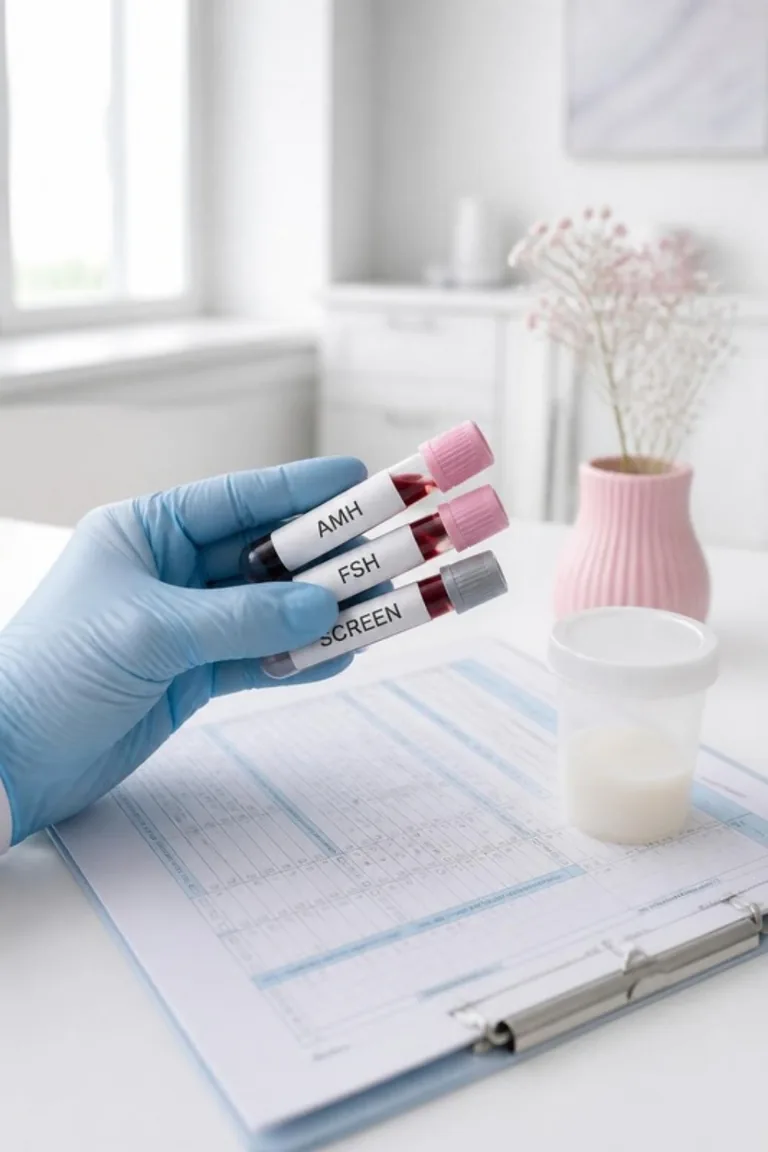
Have recent results (AMH, FSH, ultrasound)? A partner clinic specialist will review them for free.